
UV Hybrid Carbon Rim: Fast in Headwind & Stable in Crosswind for Road Racing
UV Hybrid Carbon Rim: Fast in Headwind & Stable in Crosswind for Road Racing
1. Structural Definition
UV Hybrid Profile: The inner circumference of the rim features a full-circle circular base; the spoke drilling regions feature rounded U-shaped contours, while the solid sections between spoke holes form sharp V-shaped crests. This segmented, irregular cross-section differentiates it from full-U or full-V monolithic rim profiles.
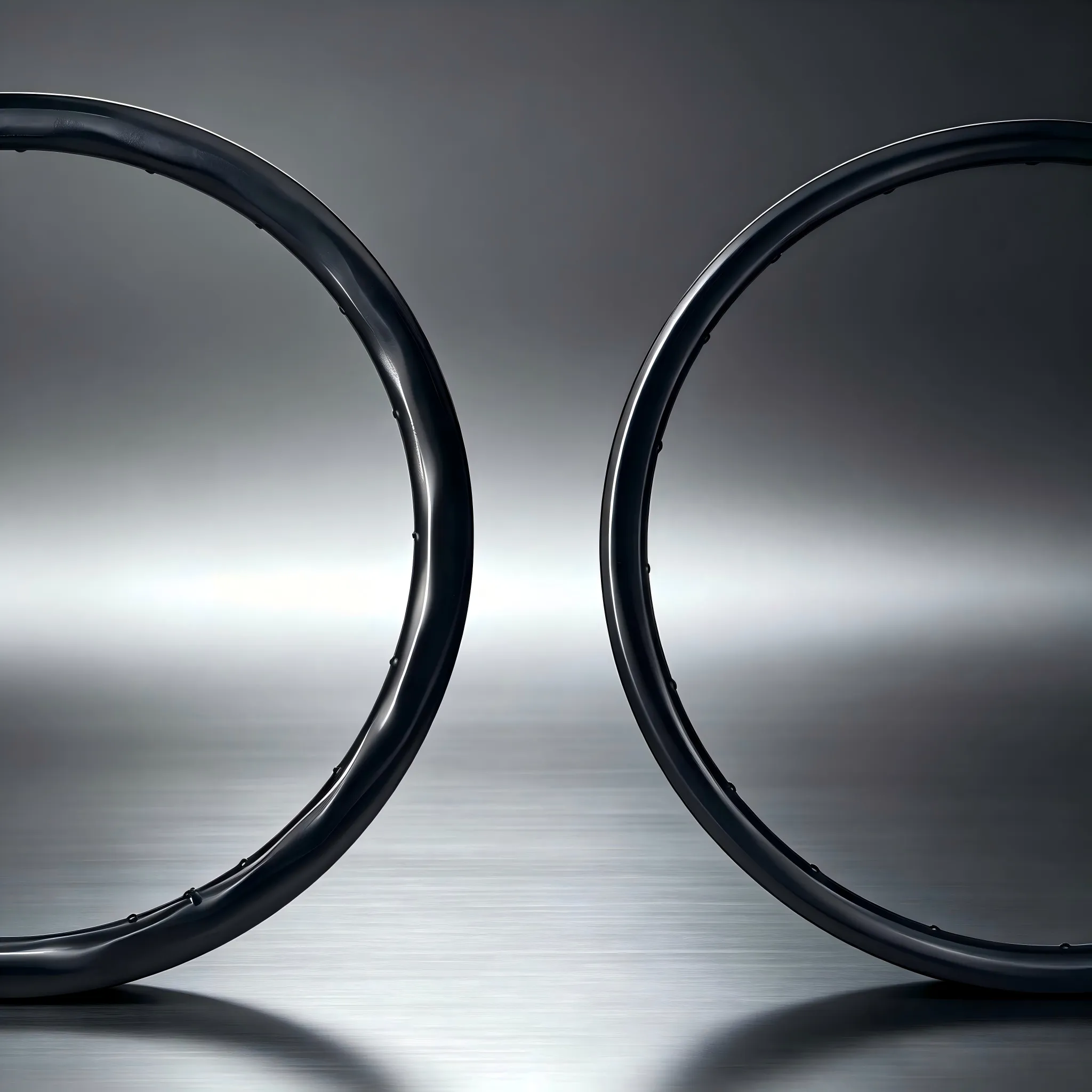 UV-VS-None
Our carbon racing rims feature this upgraded UV Hybrid Profile structure. Optimized through repeated aerodynamic testing and mechanical verification, the rim integrates U-shaped reinforced sections around the spoke holes and V-shaped aerodynamic sections between the solid walls, delivering a balance of lightweight construction, structural rigidity, and all-condition wind stability. This proprietary cross-section configuration is used exclusively in our latest-generation carbon road wheels, delivering measurable riding benefits for both everyday riding and competitive racing.
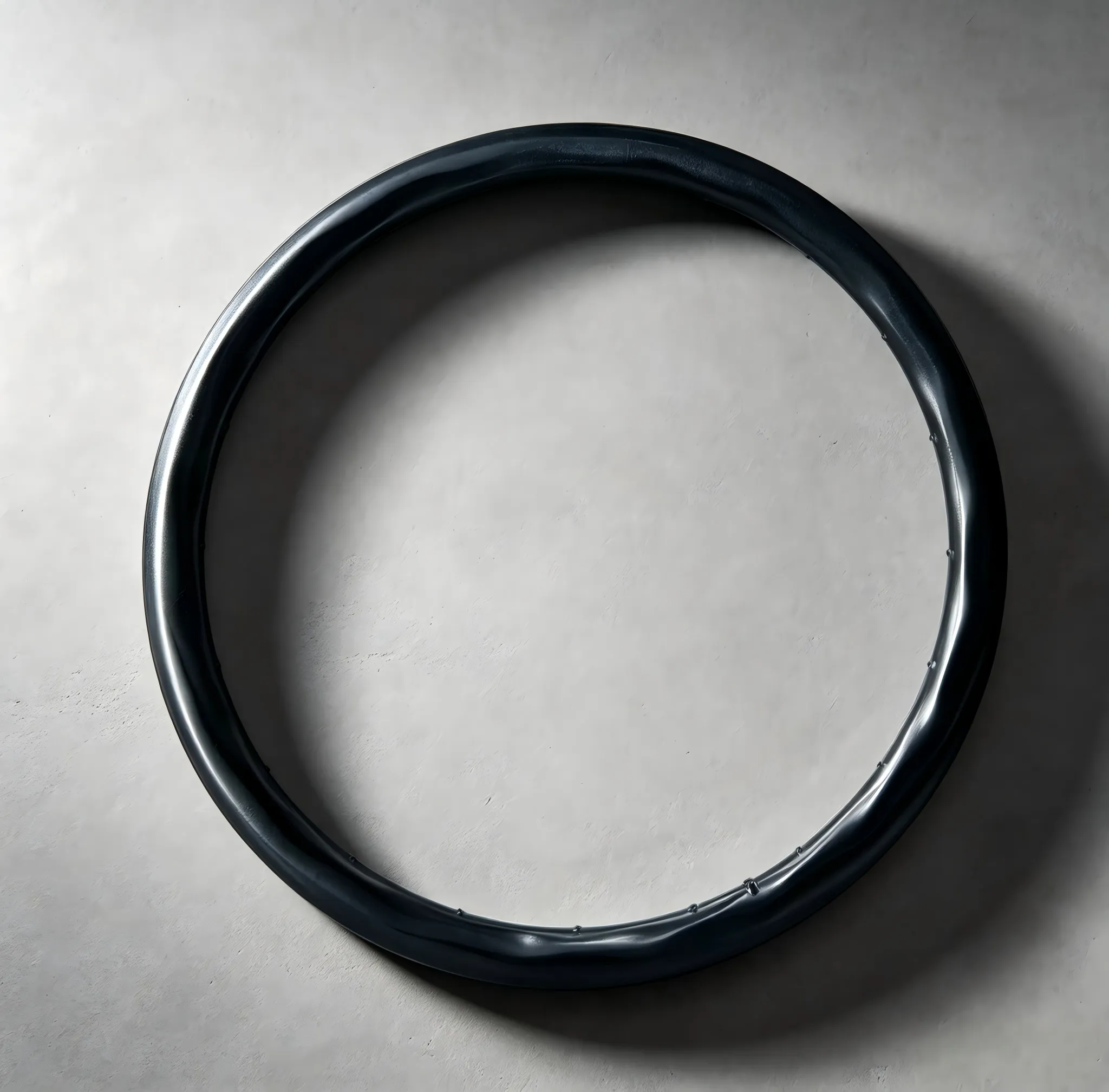
LT R25-38 Disc -700C Carbon RIM Ultralight with IW/Depth 25/38mm
 R25-38-carbon-rim
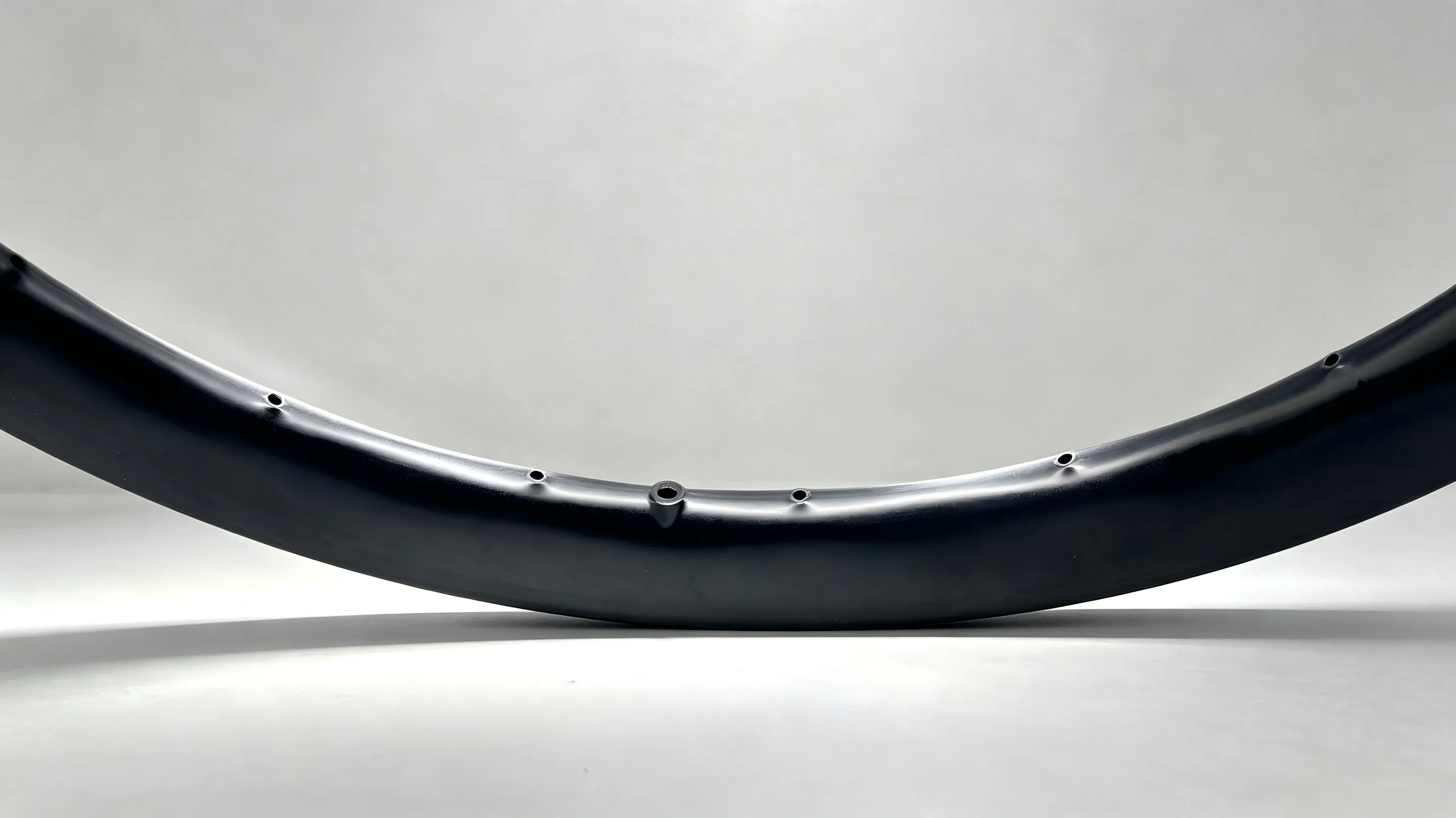
LT R25-50 Disc -700C Carbon RIM Ultralight with IW/Depth 25/50mm
 R25-50-Carbon-rim
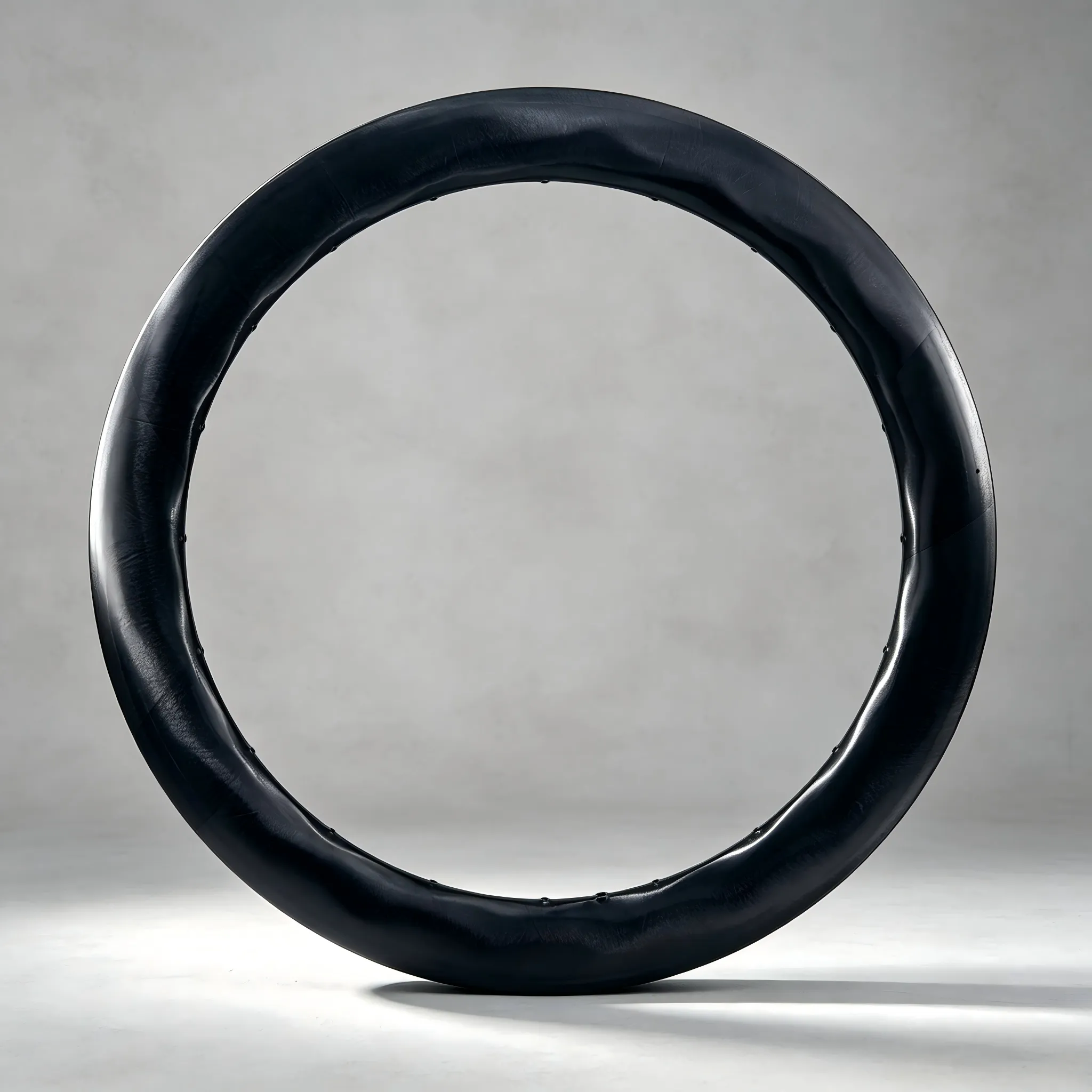
LT R25-60 Disc -700C Carbon RIM Ultralight with IW/Depth 25/60mm
 R25-60-Carbon-rim
2. Aerodynamic Principles
(1) Reason for adopting U-shaped geometry at spoke holes
Spoke holes and protruding spoke nipples constitute inherent weak points on the rim. Airflow passing over these areas can readily separate and generate turbulent vortices. The smooth, curved U-shaped surface follows the airflow, helping maintain boundary-layer attachment, suppress flow separation and vortex formation, and improve riding stability under crosswinds (yaw angle: 5°–15°), reducing the tendency of the front wheel to be pulled off course by crosswinds. By contrast, full-V rims feature sharp edges around the spoke holes that can trigger premature airflow separation and aerodynamic stall under crosswinds, resulting in less stable handling.
(2) Reason for adopting V-shaped geometry on solid sections between spoke holes
Continuous, unperforated rim walls inherently provide greater structural integrity and require no curved reinforcement. The sharp leading edge of the V-profile slices through airflow efficiently under direct headwinds (0° yaw angle), delivering a lower drag coefficient (Cd) and superior aerodynamic efficiency for flat sprinting and solo breakaways compared with full-U rims.
(3) Core objectives of the combined UV design
Calm wind / direct headwind cruising: The V-shaped intermediate sections retain the merits of traditional V-type rims, namely low rolling resistance and minimal frontal drag.
Crosswind / gusty conditions: U-shaped structures around perforations lock airflow in place, eliminating the tendency of V-profiled rims to become unstable in crosswinds. The design achieves all-condition aerodynamic balance characterized by fast in calm wind, stable in crosswind, which has become the mainstream configuration for premium racing rims today.
3. UV Profile Combines Lightweight Construction & Enhanced Rigidity
The tapered geometry of the V-shaped mid-sections cuts carbon fiber usage to save weight.
Vulnerable spoke hole zones are locally thickened into curved U-shaped structures for reinforcement, helping compensate for the strength reduction caused by drilling.
Continuously transitional UV curved surfaces form an arch-style mechanical structure for uniform stress distribution. At the same weight, the rim delivers 7%–12% higher lateral stiffness and impact resistance than thin-walled full-U or full-V rims.
Its advantages stem not merely from its distinctive geometry, but also from its exceptional load-bearing capacity and consistent performance in real-world riding. Conventional single-structure rims tend to deform and oscillate during high-speed riding. The proprietary UV segmented cross-section distributes stress effectively and boosts rim rigidity, maintaining precise roundness even under sustained heavy-duty use. Field data verifies that bicycle failure rates drop by 37% after upgrading to rims with this UV structure.
Related Article: Carbon Road Bike Wheels Buying Guide
